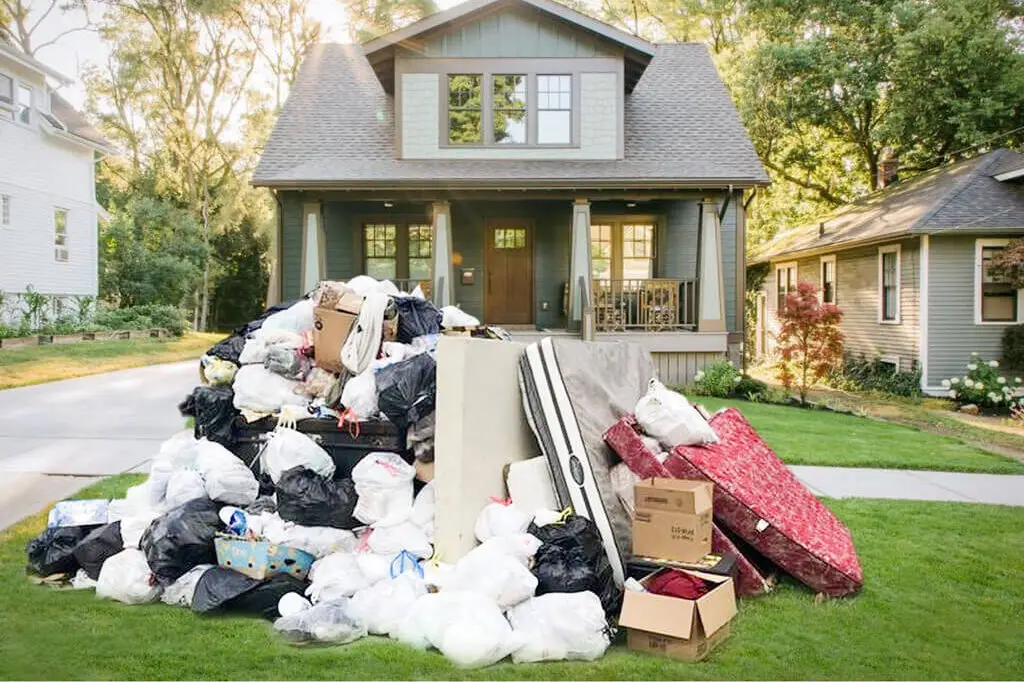
Yard waste removal rarely feels urgent at first. A few branches by the fence. A bag or two of grass clippings near the driveway. Some leaves, weeds, broken planters, and maybe an old chair that did not survive another wet season outside.
Then the pile gets wider.
That is how yard waste can turn from a normal weekend cleanup into a job nobody wants to touch. The yard looks half-finished, the debris gets heavier after rain, and suddenly the garage starts looking like the easiest place to hide everything “for now.”
At Supersonic Junk Removal, we help homeowners, businesses, and property managers deal with that exact moment. Yard waste removal is not only about making the yard look clean. It is about keeping branches, outdoor junk, organic debris, trash, and bulky items from spreading into the rest of the property.

When a Clean Up Service and Trash Removal Make More Sense Than Another DIY Weekend
A clean-up service is worth considering when yard work leaves more waste than your regular trash removal can handle. Residential yard waste removal can be a daunting and time-consuming task, especially when the pile includes heavy branches, wet debris, and mixed outdoor junk. One small bag of grass clippings is easy enough. A full weekend of pruning, mowing, trimming, digging, and moving old furniture is a different kind of job, especially when the goal is a complete cleanup without another long dump run. For many homeowners, it is more cost-effective to hire a team once than to spend another weekend trying to get rid of everything alone.
The problem is not always the yard work itself. It is what comes after. The pile does not disappear just because the yard looks better. You still have to collect the waste, sort organic material from junk, load it, check recycling options, confirm what regular pickup allows, and decide where the rest should go. Many municipalities have specific guidelines for yard waste collection, including designated containers, paper or biodegradable bags, pickup days, and volume limits.1 You also have to assess whether certain materials are permitted at local dump locations or require separate handling before you dispose of them. It sounds straightforward. It rarely is.
Yard waste removal helps with the messy piles: heavy branches, branch clippings, sod, soil, broken fencing, damaged outdoor furniture, and mixed debris that will not fit into one bin without a fight. It is also an efficient way to protect walkways, driveways, and storage areas before the pile spreads out of line and creates more work.
Yard Waste Items That Should Be Cleared First
Some yard waste can sit for a short time without causing much trouble. Other items get messy fast. Wet grass clippings can smell. Leaves can mat down and create slick spots. Branches can block gates, walkways, and driveways. Heavy branches are even worse once they soak up rain.
Here is a simple way to decide what should go first:
|
What to clear |
Why it should not sit too long |
|
Heavy branches and limbs |
They block access and become harder to move when wet |
|
Grass clippings and leaves |
They can smell, mat down, or create slippery areas |
|
Branch clippings and shrub piles |
They spread quickly and make the yard look unfinished |
|
Old furniture and broken outdoor items |
They usually need junk removal, not yard waste collection |
|
Treated wood, chemicals, or hazardous materials |
They may need special disposal services |
|
Mixed trash, garbage, and non-organic debris |
They should be separated before hauling |
The catch is that many homeowners start with one type of waste and end up with five. Yard waste items get mixed with junk, broken tools, construction scraps, furniture, and trash. Once that happens, a simple yard cleanup turns into debris removal, and the time spent sorting the pile can easily outlast the yard work itself.
Yard Waste Removal After Pruning, Mowing, and Storm Cleanup
Most yard waste comes from ordinary maintenance. A regular cleanup might leave leaves, grass clippings, weeds, small branches, sod, soil, and other garden waste. Storm cleanup is different. One rough night can add broken limbs, damaged fencing, scattered materials, and garbage to the same pile.
That is why the mix matters. Yard waste removal is simpler when organic debris is kept clean. Keep grass clippings, branch clippings, leaves, and plant material in one spot if you can. Put old furniture, appliances, damaged tools, plastic pots, and non-organic junk somewhere separate. Many homeowners find that professional yard cleanup services can handle hazardous materials and large debris that may be difficult or unsafe to manage on their own. If you find hazardous materials, do not cover them up with yard waste. Set them aside and ask for the right disposal instructions.
A professional team can help clearing branches and outdoor debris when the pile is too wet, too heavy, too awkward, or too mixed to manage alone. The crew can work carefully around gates, landscaping, parked cars, and narrow access points while keeping the cleanup efficient and controlled.
Junk Removal, Debris Removal, and Disposal Services Are Not Exactly the Same
People often say “yard waste,” “debris,” and “junk” as if they are the same thing. For a messy cleanup, that is understandable. The pile may include a little of everything.
Yard waste removal usually means organic outdoor material like grass clippings, branches, leaves, weeds, soil, sod, and garden waste.2 Debris removal is a broader category that may include storm debris, broken fencing, construction scraps, and damaged outdoor materials. Junk removal can include old furniture, appliances, trash, garbage, and other unwanted items from the yard, garage, shed, or house.
Disposal is where the details matter. Some yard waste can be composted. Some furniture may be usable enough for donation centers. Some materials can go to recycling. Hazardous materials, treated wood, certain chemicals, and other restricted items may need special handling.
A good removal team does more than haul. It helps sort the job into the right lanes so the property can be cleaned responsibly, whether the crew needs to assist with organic debris, mixed junk, or materials that should not go to the regular dump.

Upfront Pricing Keeps the Job From Getting Messy
Nobody wants to hear a vague price after everything has already been loaded. Upfront pricing matters because yard waste jobs can vary a lot, and clear numbers reduce stress before the work begins.
Volume matters. Weight matters. Access can make a bigger difference than people expect. A dry pile of branches by the curb is simple. Wet branches mixed with old furniture and garbage are not. A small curbside load is also very different from a heavy backyard pile that has to be carried around the house, loaded safely, and taken to the right dump or disposal site.
Before scheduling yard waste removal, ask the practical questions first. What affects the cost? Is the company insured? What can they take? What is off-limits? Is recycling included in the process? Is there a free estimate before the work starts? If special disposal fees might apply, find out before the team arrives. Clear answers prevent a messy job from becoming a stressful one.
Why Yard Waste Often Turns Into Garage Overflow
Here’s the thing: yard debris does not always stay in the yard.
A homeowner trims branches and means to haul them later. The tools go back into the garage. The bags of yard waste sit near the driveway. Then rain comes. Then the pile looks worse. Then a few outdoor items get moved into the garage because guests are coming or the neighbors can see the mess.
Temporary storage has a way of becoming permanent.
That is why yard waste removal and garage cleanup are more connected than they look. When outdoor debris is not removed, the garage often becomes the backup plan. Before long, the car stays outside, storage shelves get blocked, and the original yard job turns into a larger junk removal problem that interrupts daily life.
For that reason, branch hauling often pairs well with clearing space before the garage becomes overflow storage. Keeping the yard clean helps keep the garage from absorbing the mess.
What Homeowners Should Clear Before the Pile Takes Over
Start with anything blocking movement. Branches across walkways, yard waste near gates, debris beside the driveway, and trash near storage areas should go first. After that, focus on anything weather will make worse. Wet grass clippings, leaves, cardboard, broken wood, and mixed garbage can become heavier, messier, and harder to move. Clearing these areas early can save time and protect the parts of the property people use every day.
Then sort what still has value from what is truly junk. Some outdoor furniture or tools may be worth donating or selling. Other items are past that point and need removal. Organic debris may be compostable, while treated wood, chemicals, paint, and unknown materials require more care.
If the cleanup already feels too large, do not let the pile sit and grow. Professional yard waste removal can restore order before the debris starts spreading across the property.
When Property Managers and Homeowners Should Schedule Removal
Yard waste removal is usually booked when regular cleanup turns into too much debris: landscaping waste, pruning piles, storm damage, seasonal cleanup, or leftover material from outdoor projects. Professional cleanup can also be useful after outdoor construction or repair work, especially when the pile includes dust-covered materials, paint-related waste, broken boards, and debris that regular household cleanup cannot manage. Property managers often need it after tenant turnover, shared yard maintenance, rental property cleanup, or storm-related mess.
A yard waste pile can make a clean property look neglected quickly. It may block side access, make mowing harder, or create more work once it gets wet and spreads. Tenants and neighbors do not always care why the pile is there. They just see it.
Professional services are built to remove bulky waste efficiently. Trucks, lifting, loading, hauling — that is what they are there for. For busy homeowners, businesses, and property managers, that can be a better use of money than losing multiple weekends to the same cleanup. Hiring a professional cleanup service can provide specialized expertise, save time, and help protect the property long term. It can also be the more affordable option when you count the time spent loading, sorting, driving to the dump, and trying to get rid of heavy material without the right equipment. The goal is to handle the pile before the pile becomes the project.

FAQ
What counts as yard waste?
Yard waste usually includes grass clippings, leaves, branches, weeds, plant material, sod, soil, and garden debris from regular yard maintenance.
Is yard waste removal different from junk removal?
Yes. Yard waste removal focuses mostly on organic debris. Junk removal can include old furniture, appliances, trash, garbage, and other unwanted items from the yard, garage, shed, or home.
Can grass clippings go with branches?
Often, yes, but local rules may vary. Some collection programs require yard waste to be placed in specific containers, paper bags, or tied bundles.
Can treated wood go with yard waste?
Usually no. Treated wood is not the same as organic yard debris and may require separate disposal because of the materials used in it.
Why should heavy branches be cleared quickly?
Yes. Property managers often schedule yard waste removal after tenant move-outs, landscaping work, storms, or seasonal cleanup when debris needs to be cleared quickly.
Can usable outdoor items be donated?
Some furniture, tools, and outdoor items may be accepted by donation centers if they are clean and usable. Broken or damaged junk usually needs removal or recycling.
How should I prepare before the team arrives?
Separate obvious keep items, point out hazardous materials, and keep truck access clear if possible. The team can assess the pile, handle the loading, hauling, and heavy lifting from there, and help you avoid another trip to the dump.
How do I keep an organized garage after the cleanout?
Use shelves, hooks, labeled bins, and vertical storage. Keep the floors as clear as possible and do a small reset a few times a year.