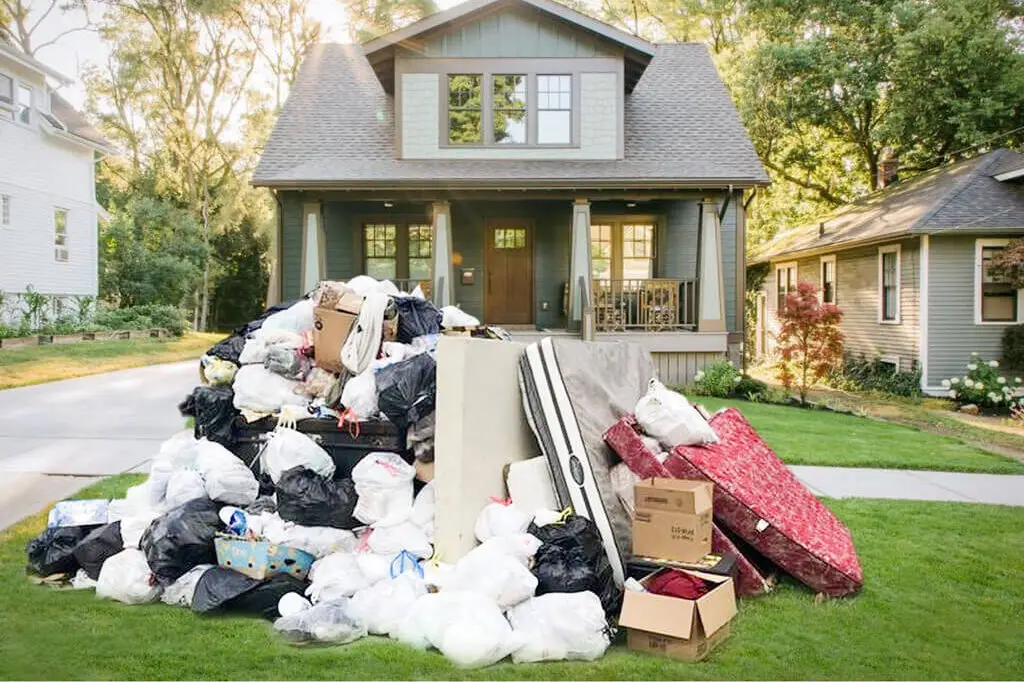
A shed cleanout usually sounds manageable at first. Open the door, move a few boxes, toss some junk, sweep the floor, and move on. But that is rarely how it goes. At Supersonic Junk clean up service, this kind of project often starts with one goal and quickly turns into something bigger. A neglected shed usually ends up storing years of overflow from the garage, basement, and yard, which is why homeowners are rarely dealing with clutter alone. In most cases, they are also dealing with old decisions that kept getting postponed, hidden damage, and a much bigger buildup than they expected.
The first surprise is usually volume. An older shed often becomes the long-term home for things nobody wants inside the house but nobody feels ready to throw out. That can include old tools, unused garden tools, cardboard boxes that have not been opened in years, broken furniture, leftover paint, bent metal, extra building materials, and even old appliances pushed into corners and forgotten. After a few years of that cycle, the space can become so full that the shed feels filled wall to wall, and homeowners can no longer tell what is actually stored there.
Why a Shed Cleanout Becomes a Garage Cleaning Problem Faster Than People Expect
Unlike a main living area, a shed gets ignored easily. People store things there “for now,” then stop checking on them. Moisture gets in. Dust builds up. Old cardboard softens. Plastic bins crack. What looked like practical storage starts turning into a pile of unwanted items with no clear purpose.
That is why many homeowners are surprised by the condition of what they find. Items that seemed worth keeping may no longer be in good shape. Tools rust. Fabric and old clothes absorb odors. Cardboard attracts pests. Some stored items may even create mold or qualify as hazardous waste, especially when old chemicals, batteries, or damaged containers are involved.1 At that point, a weekend cleanup stops being simple clean work and starts becoming real junk removal, especially when unwanted items, trash, and loose junk are spread across the shed floor.
A Shed Cleanout Usually Connects to Junk Removal and Long Term Storage Issues Too
A cluttered shed rarely exists on its own. It is often part of a bigger storage problem on the property. The same family that has stopped using the shed often has a cluttered garage, a basement that is already carrying too much, or a side area by the back door where clutter keeps building. One item gets moved aside, then relocated again, then left there long enough to disappear from notice, until the whole idea of cleaning the shed or trying to clean garage storage starts feeling harder than it should. In homes with kids, that overflow often spreads faster because seasonal stuff, old toys, and everyday items keep getting moved from one area to the next instead of fully dealt with.
That is why garage cleaning and shed cleanout projects often end up being part of the same problem. An exercise bike that no longer fits in the garage gets pushed into the shed. Extra exercise equipment, damaged shelving, loose tools, old appliances, discarded furniture, and all the junk that does not fit anywhere else can move around the property for years without ever being removed. The first step in getting that garage junk cleaning project moving is usually decluttering, then setting aside enough time to sort what stays, what goes, and what belongs in clear organizing systems.2 Once homeowners know exactly what they have, it becomes much easier to organize the garage in a way that actually lasts. By the time someone wants to make enough room in the garage for the car or basic car cleaning, the shed is already full of whatever got displaced first.
The Hidden Cost of Keeping Old Appliances, Exercise Equipment, Old Cardboard, and Building Materials

One reason these spaces get so bad is that people assume the stored items still have value. Sometimes they do. But often, they are well past their useful life.
That matters more than people think. Some things have a practical shelf life, even if they have been sitting untouched. Cans of paint may no longer be usable. Broken hardware may not be worth the repair. Damp cardboard, old boxes, old clothes, and old fabric are usually not worth saving. Even if something once seemed smart to store, that does not mean it still makes sense years later, especially when the shed is covered in dust, the bins start to break down, and the whole storage setup stops being useful.
A lot of homeowners reach a point where they realize they are not preserving useful items. They are preserving delay. The shed becomes a holding zone for decisions they have avoided making.
Why a Shed Cleanout Can Push Homeowners to Get Rid of More Than Expected

Even when people are ready to clear the shed, the physical side of the job becomes the next obstacle. A real shed cleanout involves much more than sorting. There is all the heavy lifting, awkward angles, dirty surfaces, and the problem of getting everything from the shed to the truck. In many cases, the shed is packed with old boxes, loose metal, broken bins, bulky stuff, and unwanted items that have to be moved carefully before the work can even begin. A staging area helps here. It gives homeowners one place to group trash, donations, and items that need special handling before anything gets loaded out.
This is the point where many cleanup projects start to lose steam. Large boxes, dented appliances, broken shelves, old furniture, and scattered scrap metal are difficult to move and even harder to deal with efficiently. Homeowners may chip away at it, but the physical labor involved can make progress feel frustratingly small. Once the cleanup starts cutting into family time, routines, and weekend plans, it usually gets delayed again. In some cases, people reach the point where they want to get rid of the mess, damaged furniture, and whatever is no longer worth the space, but the job is still too much for one person.
That is where professional removal services make a noticeable difference. The right team handles all the heavy lifting, sorts out what belongs in recycling, separates what should go into bins, and clears the property without turning the job into a long, disruptive process. Many junk removal companies also work with charities and recycling centers, which makes donation and recycling easier for homeowners trying to clear out usable items responsibly.3 A good team can also help homeowners remove damaged appliances, broken furniture, and all the junk without repeated truck runs back and forth. That matters even more when the cleanout has started to affect a clutter-free garage layout, a safe path for kids, or basic access around the property.
When Hazardous Waste, Removal Services, and Clean Up Service Decisions Become Part of the Job

Another issue people do not plan for is disposal. It is easy to say you want to get rid of the mess. It is harder to know where everything should go.
Not everything belongs in a recycling bin, and not everything should go out with standard garbage. Some items need special handling. Some may be worth donating if they are still in good condition. A few pieces may be accepted by a local thrift shop. Others need to be separated because of material type, condition, local disposal rules, or even what is covered under a homeowner’s insurance policy after property damage. In a packed shed, that can include paint, broken appliances, metal parts, damaged clothes, and mixed household stuff that cannot all be treated the same way. That is especially true after a storm or water damage event, when the policy details may shape what gets documented before removal starts.
That is one reason junk removal is more involved than it sounds. It is not just hauling away trash. It also means figuring out what can be reused, what can go into recycling, and what needs a more careful disposal route. Shed cleanout services often include eco-friendly disposal options, especially when homeowners want usable items donated and recyclable materials kept out of landfills. That is also why attic clean outs often uncover similar hidden issues. Once a space becomes long-term storage, the real challenge is usually not finding the mess but dealing with it responsibly.
The same is true for clothing, fabric, and household overflow that sometimes ends up in sheds or garages. Homeowners who have not looked into how textile waste disposal is changing in Washington may not realize that disposal expectations are shifting, especially for materials that used to be tossed without much thought.
Seattle / King County Disposal Limits That Can Affect a Shed Cleanout
Not every item from a shed can be handled the same way. Some materials can go out with standard junk removal, while others need special disposal because of local rules, safety concerns, or recycling limits. That is where a few basic numbers start to matter.
Item | Official limit / rule | Why it matters during a shed cleanout |
|---|---|---|
Household hazardous waste drop-off | Free for King County residents | Useful when the shed contains paint, chemicals, or old containers |
Total residential hazardous waste per trip | 50 gallons | Large cleanouts may exceed one trip |
Gas, oil, and antifreeze | 25 gallons per trip | Important for sheds storing automotive or yard liquids |
Container size | No container over 5 gallons | Old large containers may need special planning |
Lead-acid auto or marine batteries | 5 per visit | Matters if old batteries were stored in the shed or garage |
Non-auto batteries | 50-pound total limit per visit | Bulk battery disposal may require sorting |
Single non-auto battery | Max 25 pounds | Large battery units may need separate handling |
Sometimes an Old Shed Leads to a Shed Cleanout or Shed Removal Decision
There are also cases where the structure itself becomes part of the problem. An old shed may be damaged, leaning, or no longer worth keeping. If the walls are deteriorating, the base is failing, or the interior is too compromised to use safely, the job can move beyond cleanup and into shed removal. In those cases, shed removal is not just about clearing junk. It can also prevent more dirt, moisture, and repair issues from spreading into the yard or nearby storage areas.
That shift matters. A cleanout clears space. Shed removal changes how the yard works and opens up more space on the property. For some homeowners, that is the real goal. They do not want better storage. They want a more usable outdoor area, a cleaner layout, and a shed removal plan that leaves the whole property looking less cluttered and easier to maintain.
That is why many shed clean outs that involve more than just clearing space end up being about function, not only appearance. The project is less about making the shed look better and more about deciding whether the shed still deserves the room it takes up.
Why Homeowners Usually Feel Better Once It Is Done
The hardest part is usually starting. People look at the mess and imagine dust, dirt, heavy lifting, repeated dump runs, and a lot of stress. That hesitation makes sense. But once the work is handled properly, the result is bigger than a cleaner shed.
There is more usable space. The garage often works better. Storage becomes easier to manage. The property feels more under control. The floor is easier to keep clean, the shed is easier to store things in, and the garage is easier to use when tools, boxes, and furniture are no longer stacked in every corner. And the whole thing can be handled in a more stress free way when there is a clear plan, a strong team, and a no obligation quote before the work begins.
For many families, the shed was never just about the shed. It was one more place where postponed decisions had started to take over daily life. Clearing it out helps restore order, even if the job looked small from the outside. It also makes future upkeep easier, whether that means keeping the shed cleaner, avoiding another repair issue, or preventing the same post-cleanout buildup from coming back.

FAQ about garage cleanout, parking garages, and parking lot cleaning
What is usually found in a shed cleanout?
Most shed projects uncover a mix of tools, boxes, paint, damaged furniture, old storage containers, and random junk that built up over time.
When does a shed cleanout become shed removal?
It usually shifts to shed removal when the structure is damaged, unsafe, or no longer useful for storage.
Can old paint and chemicals stay in the shed?
They can, but they should not stay there indefinitely. Some materials may become unstable, unusable, or fall into hazardous waste handling needs.
Why does shed clutter often connect to the garage?
Because overflow tends to move from the garage to the shed when indoor storage gets tight. That is why many cleanouts lead to garage cleaning too.
Are old tools worth keeping?
Sometimes, yes. But many old tools stored in damp or dirty conditions may no longer be in good shape.
What happens to usable items during junk removal?
Items in usable condition may be set aside for donation, reuse, or, in some cases, a thrift shop, depending on their condition and local options.
How long does a shed cleanout usually take?
That depends on the size of the shed, site access, and the amount of material inside. A lightly used shed may move quickly. A packed old shed with years of storage usually takes longer.
Is it better to do this alone or hire removal services?
Small cleanups can be done alone, but once the job involves large items, disposal questions, or serious heavy lifting, professional removal services are usually the better option. Good shed cleanout services also tend to offer upfront quotes, and insured companies add another layer of protection if property damage or worker injury becomes a concern.